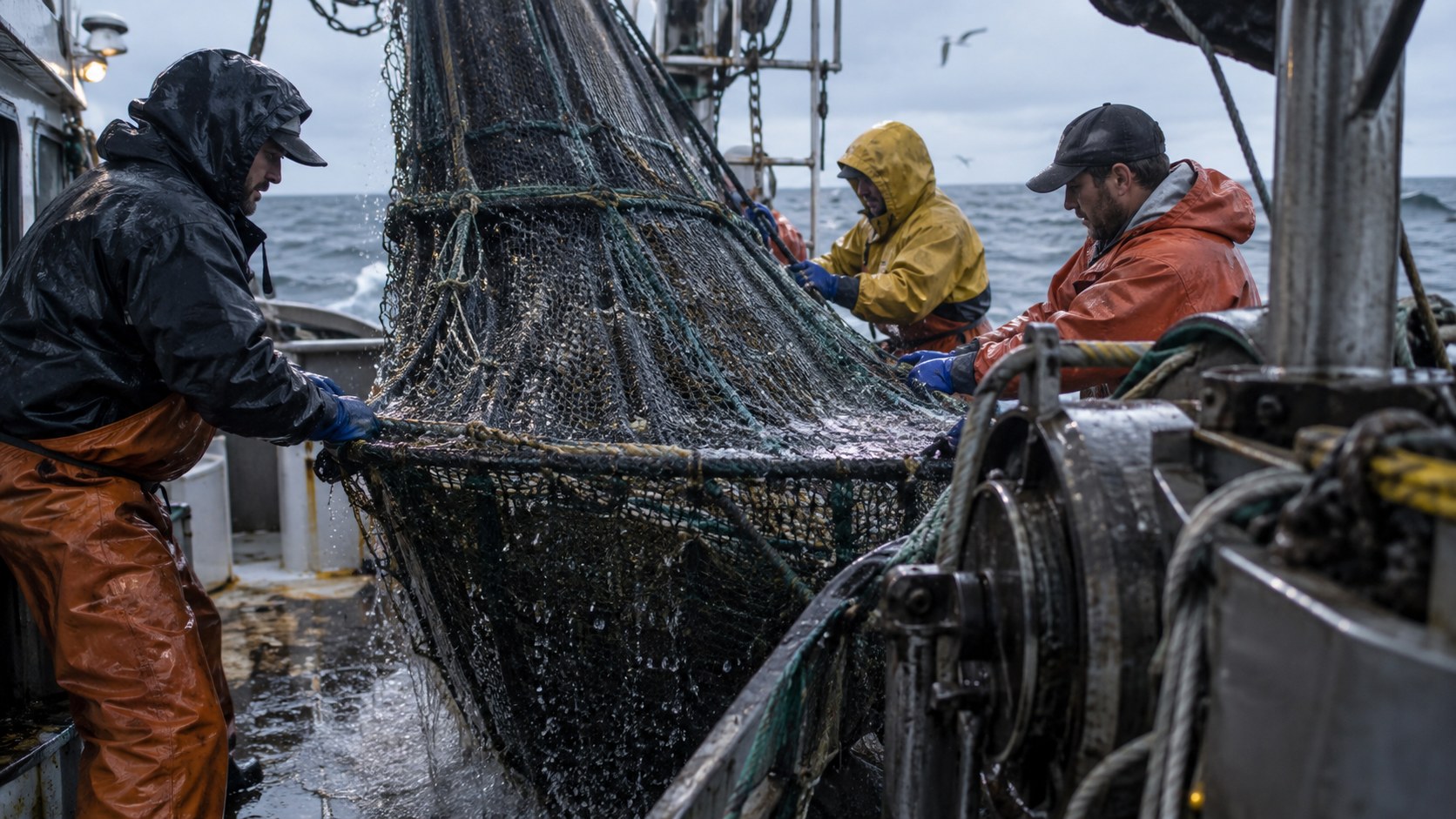
A single morning haul below Teddington has reopened an old argument in British angling: which nets may actually be used in our waters, and which ones will cost you your licence.
It started, as these stories usually do, with a photograph. A crew working the tidal Thames pulled in a net so heavy that two men were needed on each rope. The picture went round Facebook groups in Essex and Kent within hours, then reached the national angling press.
What surprised readers was not the size of the haul. It was that the crew were working entirely legally — under authorisation, with the right mesh size, at the right time of year, on a stretch where netting is permitted. Thousands of comments later, the most repeated question was simple: am I allowed to use a net at all?
The honest answer is: sometimes yes, often no, and it depends on exactly where you stand and what you are fishing for. Below is the plain-English version.
Penalties, in short
Illegal netting is prosecuted in the magistrates' courts. Typical outcomes include fines of up to £50,000, forfeiture of nets, boats and vehicles used in the offence, and in serious or repeated cases a custodial sentence. Enforcement officers may seize gear on the spot.
Before you set any net, check the Environment Agency byelaws for your region and the byelaws of your local IFCA district. Rules differ in Scotland and Northern Ireland.
Most of the cases that end badly do not start with bad intentions. They start with the wrong net: an import with an unmarked mesh, a length nobody measured, a headline rope with no floats or identification tags. A net made to UK specification tells you its mesh size, drop, hanging ratio and length before it touches the water.
Coastal Nets Ltd in Bridport, Dorset has been making and supplying nets to British fishermen since 2007. Their gill nets are hung to order with the mesh sizes, depths and lengths used in UK fisheries, so you can match your gear to the byelaws that apply to you.